

5 tips to improve your sewing efficiency

With the arrival of spring and its sunny weather, the desire to sew comes back in full force… and the list of projects quickly gets longer.
Yet finding time to sew is not always easy. Between work, family life, and daily responsibilities, our sewing machines sometimes stay silent. Even for me, although sewing is my profession, I often spend more time making test garments or working behind my computer than bringing my personal ideas to life. “Pleasure projects” are often the first to be postponed.
That’s why I would like to share with you 5 tips to optimize your sewing time, so you can sew more peacefully and finally complete your projects.
1. Organize your tools so everything is within reach
Even though we all dream of having a room dedicated to sewing, it’s not always possible. If you feel like you take over your living space every time you sew (and spend more time setting up and putting things away than actually sewing), a small reorganization can make a big difference.
A rolling cart allows you to keep everything you need close at hand. I saved lots of ideas on Pinterest. Here is how I would organize mine:
• bottom shelf: current projects (fabric, pattern, notions)
• middle shelf: small tools (scissors, bobbins, pins…)
• top: my sewing machine
A foldable ironing board and a travel iron are also very practical for saving space and avoiding skipping the pressing step, which is essential for a clean finish.
Keep your fabric and pattern stock somewhere else: in your cart, only keep what you need for your current projects. Less setup, less tidying… more time to sew!
2. Stay in your comfort zone and sew a pattern again
An efficient project is one where you know exactly where you are going. When your time is limited, sewing a pattern you have already tested is the best solution:
• The assembly steps are familiar,
• The size is already validated,
• You can focus on creativity.
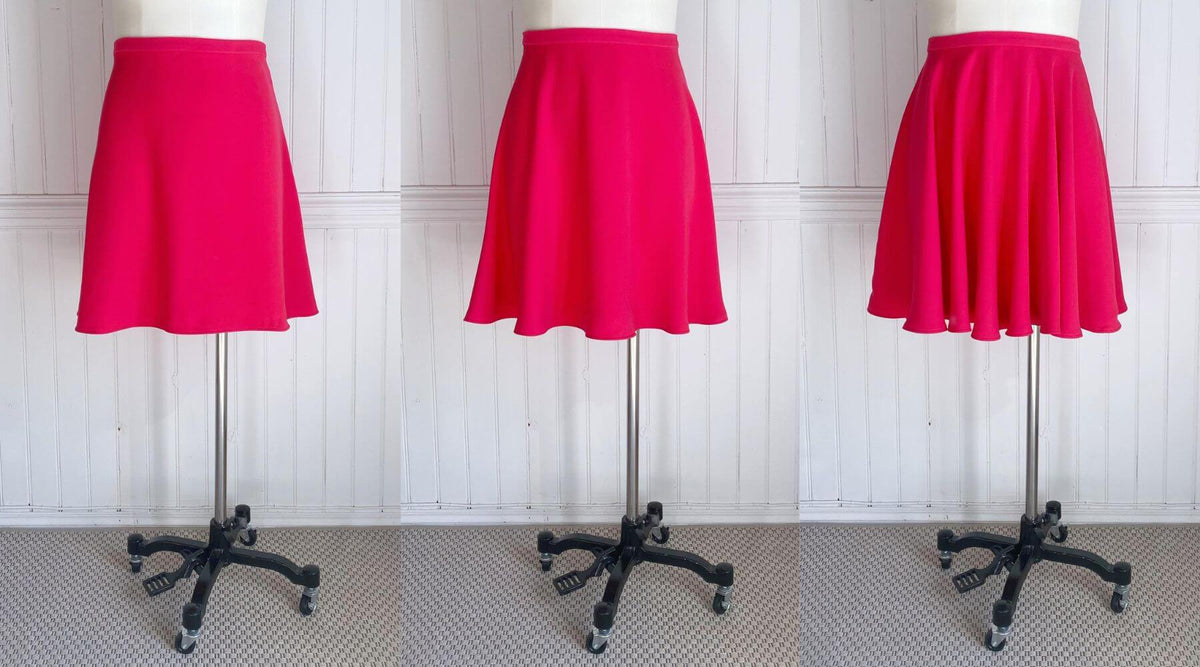
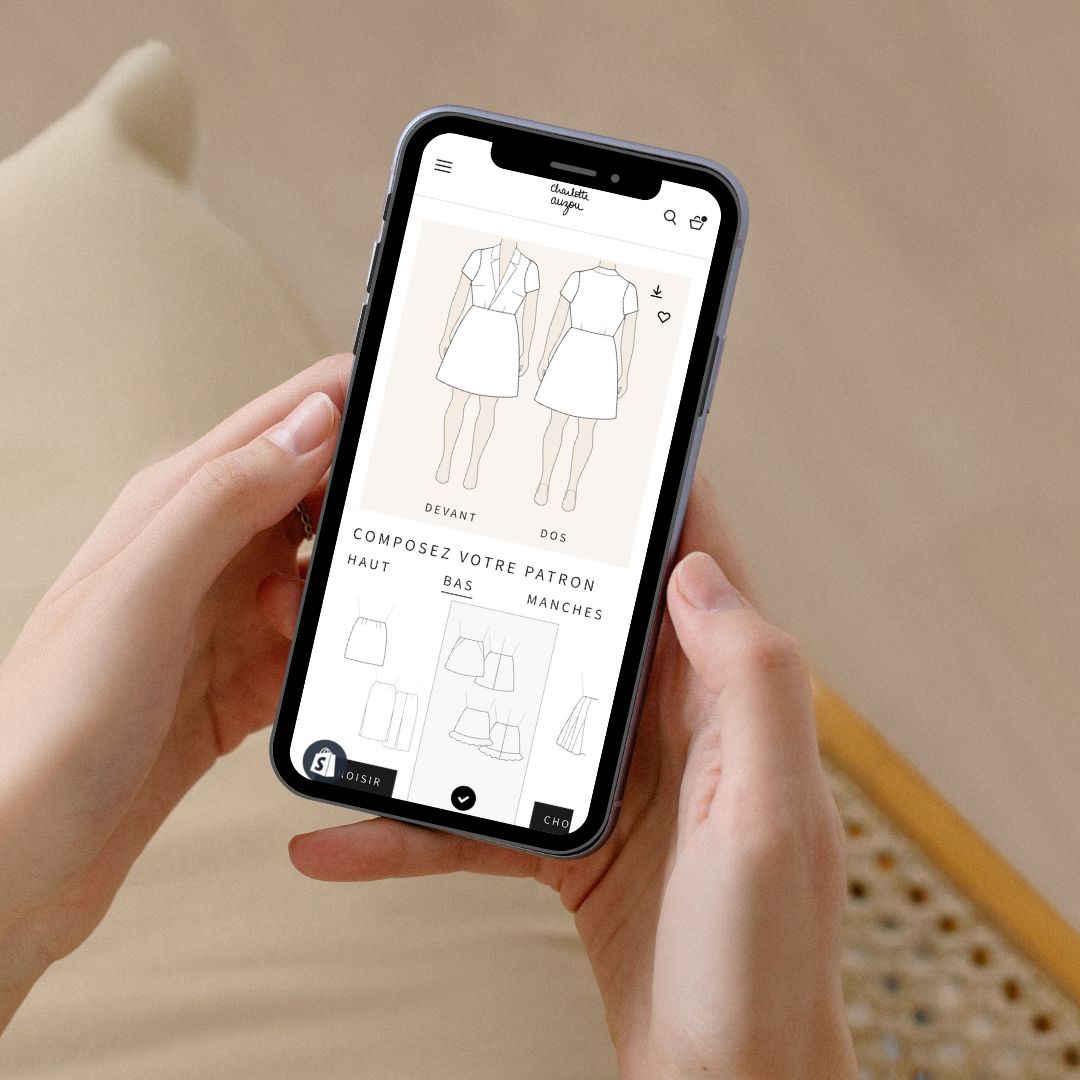
Customizable patterns are perfect for this. Once your first project is successful, you can easily create a new similar but unique version: for example, choose a top you love and pair it with a different bottom, or the other way around.
I make sure to keep a consistent sizing system so that every new project can be sewn without stress and always successfully. Once you know your size, it will be the same for all my patterns!
3. Plan your projects
Never start without having all the materials ready. Nothing is more frustrating than having to stop because you are missing thread or a button.
Prepare your projects in advance and group everything in pouches or tote bags:
• Fabric and printed pattern
• Interfacing, thread spools, and bobbin
• Buttons, zipper, or other notions
Everything is ready, you can sit down and focus only on sewing.
4. Work in small steps
One step at a time! When you cannot dedicate a full day to sewing, divide your work into short sessions:
Read the instructions / Prepare the pattern / Cut the fabric / Apply interfacing / Assemble the bodice / Finish the neckline / Attach the sleeves / Insert a zipper / Sew the hem…
With one hour here and one hour there, your project will slowly take shape — and much faster than you imagine.
5. Group certain assembly steps together
If you already have some sewing experience, I recommend allowing yourself to slightly change the order of the instructions ;-) Especially if it’s a pattern you have already sewn, you know where you are going. To gain efficiency, I like to group several steps:
• Pin all possible seams before sewing,
• Stitch all those seams in one session at the machine,
• Then press them all at once,
The idea is to avoid constantly switching tasks or workstations, so every minute spent at the sewing machine is productive.
Thank you very much for reading! I hope these tips will help you find the time and motivation to bring your next sewing projects to life. Feel free to browse the Custom Creations section on my website for inspiration.